
Let's be honest — Render is a genuinely good platform. When it launched, it felt like a breath of fresh air: a modern, developer-friendly PaaS that made Heroku look dated and AWS feel like punishment. Git-push deployments, free SSL, a clean dashboard, managed databases — Render nailed the basics.
But if you're reading this, you've probably hit the ceiling. Maybe your free-tier app takes 30 seconds to wake up after a cold start. Maybe you opened a support ticket three weeks ago and you're still waiting. Maybe you got an unexpected bandwidth bill, or your service was mysteriously suspended without a clear explanation.
You're not alone. Across Reddit, Hacker News, and Render's own community forums, developers are raising the same frustrations. This guide isn't here to bash Render — it's here to help you find the platform that actually fits your needs in 2026.
Before we dive into alternatives, let's talk about why developers are leaving. These aren't hypothetical gripes — they're backed by real developer experiences from across the web.
This is the single most common complaint about Render. Free-tier services spin down after 15 minutes of inactivity, and when they wake up, you're looking at anywhere from 500 milliseconds to a full 30 seconds of latency.
One developer on r/webdev described hosting a Django app on Render's free tier: "Initially, the server responds quickly after a restart, but over time (a day or two), the response times degrade significantly — even loading the home page can take 1-2 minutes."
Even on paid plans, developers report response times averaging 250ms compared to 75ms on Heroku for the same application. That's more than three times slower.
Render's egress pricing has been a persistent sore point. While Render acknowledged the issue and lowered bandwidth pricing in August 2025, the fundamental problem remains: bandwidth-based billing is unpredictable for small teams.
On Hacker News, one developer put it plainly: "I would rather have increased compute prices, that are more predictable and stable costs for us, instead of a per-developer or bandwidth increase."
Render introduced per-developer pricing that adds $20 per month per person on top of compute costs. For a solo developer, this is invisible. For a team of five, that's an extra $100/month just for dashboard access.
Multiple developers report slow or insufficient support, particularly on non-enterprise plans. One r/node user described opening a ticket about performance issues and waiting weeks: "It's been days since their last response despite my prodding."
Several developers report having their services permanently suspended without clear guidelines. One r/devops user mentioned getting "banned from Render once just because I had an admin page showing CPU and RAM usage."
If your application needs to connect to a firewalled database or any service that requires IP whitelisting, Render makes it painful. Outbound IPs are shared across all services in the same region, and getting a dedicated static IP requires a third-party add-on like QuotaGuard.
Render offers a limited number of regions, and critically, you cannot change the region of an existing service or database. If you deploy to the wrong region, or if your user base shifts geographically, you need to recreate everything from scratch.
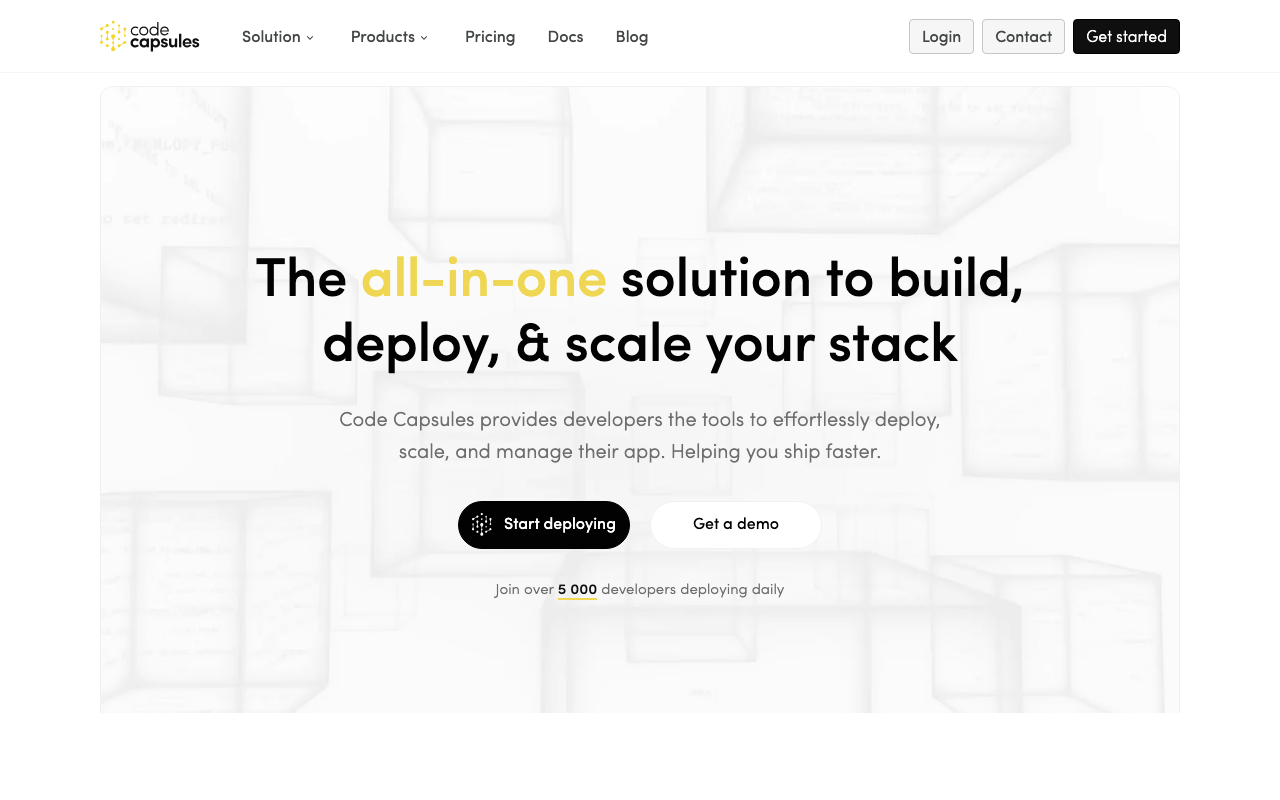
Best for: Developers and agencies wanting straightforward, all-in-one deployment without hidden costs. Code Capsules bundles frontend, backend, and database hosting into a single, predictable platform. Frontend capsules from $3/month, backend from $7/month, and databases from $15/month.
What stands out is the unified project model. Your React frontend, Node.js API, and MongoDB database all live in one space with automatic config binding — no manually copying connection strings between services.
Solves: Egress pricing surprises, per-seat costs, and the complexity of managing separate services.
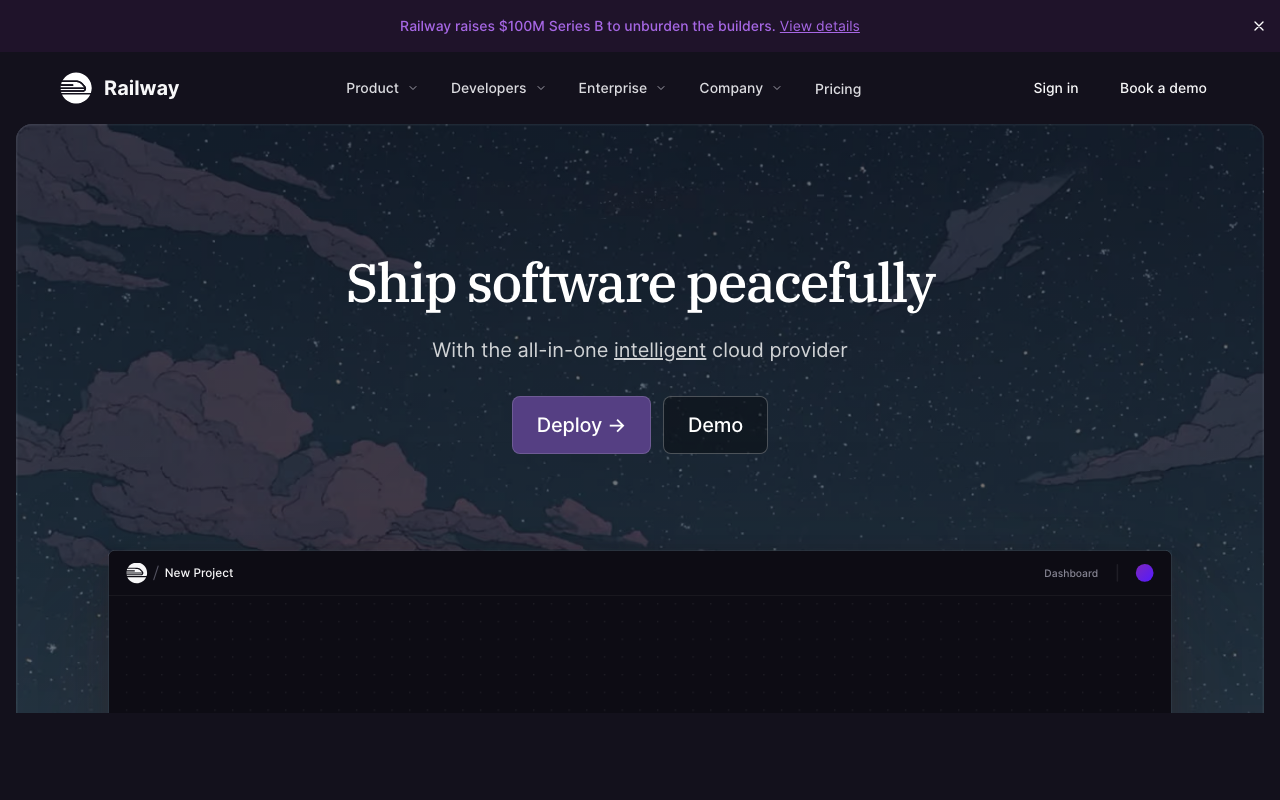
Best for: Developers who want Render's simplicity without the cold starts. Railway offers a nearly identical developer experience — Git-push deployments, a clean UI, managed databases — but with meaningfully better performance and more transparent pricing.
Pricing: Usage-based. Free tier includes $5 of monthly credit. Paid plans start at $5/month per user with resource-based billing.
Solves: Cold starts, unpredictable pricing, and overall developer experience degradation.
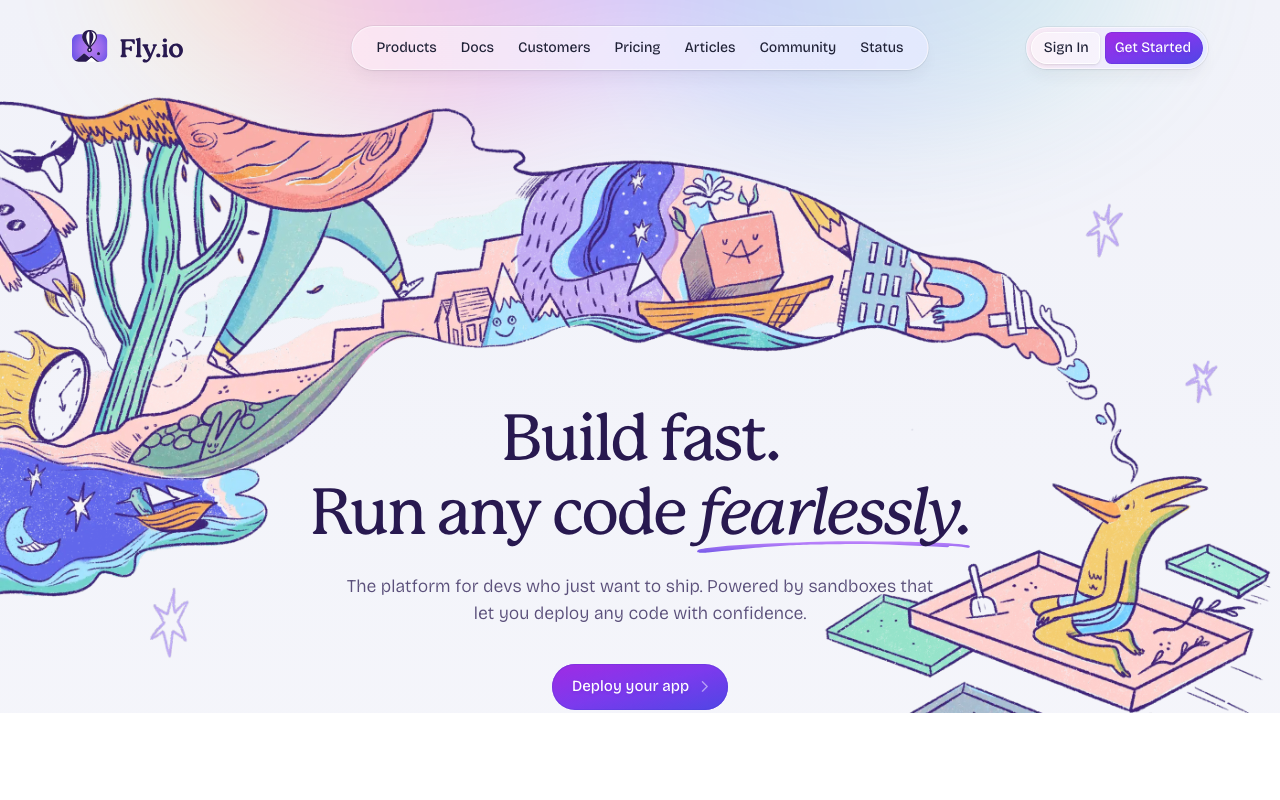
Best for: Developers who need global edge deployment and low latency everywhere. Fly.io runs your applications on lightweight VMs distributed across 30+ regions worldwide.
Pricing: Pay for compute per second. Free allowances include 3 shared-cpu-1x VMs with 256MB RAM.
Solves: Cold starts, limited regions, and no native static IPs.

Best for: Self-hosters who want PaaS convenience on their own infrastructure. Coolify is an open-source, self-hosted alternative that gives you Render's UI experience on top of your own VPS. You can run it on a $5/month DigitalOcean droplet or even a Raspberry Pi.
Solves: All pricing-related frustrations. Owning your infrastructure with Coolify is liberating.
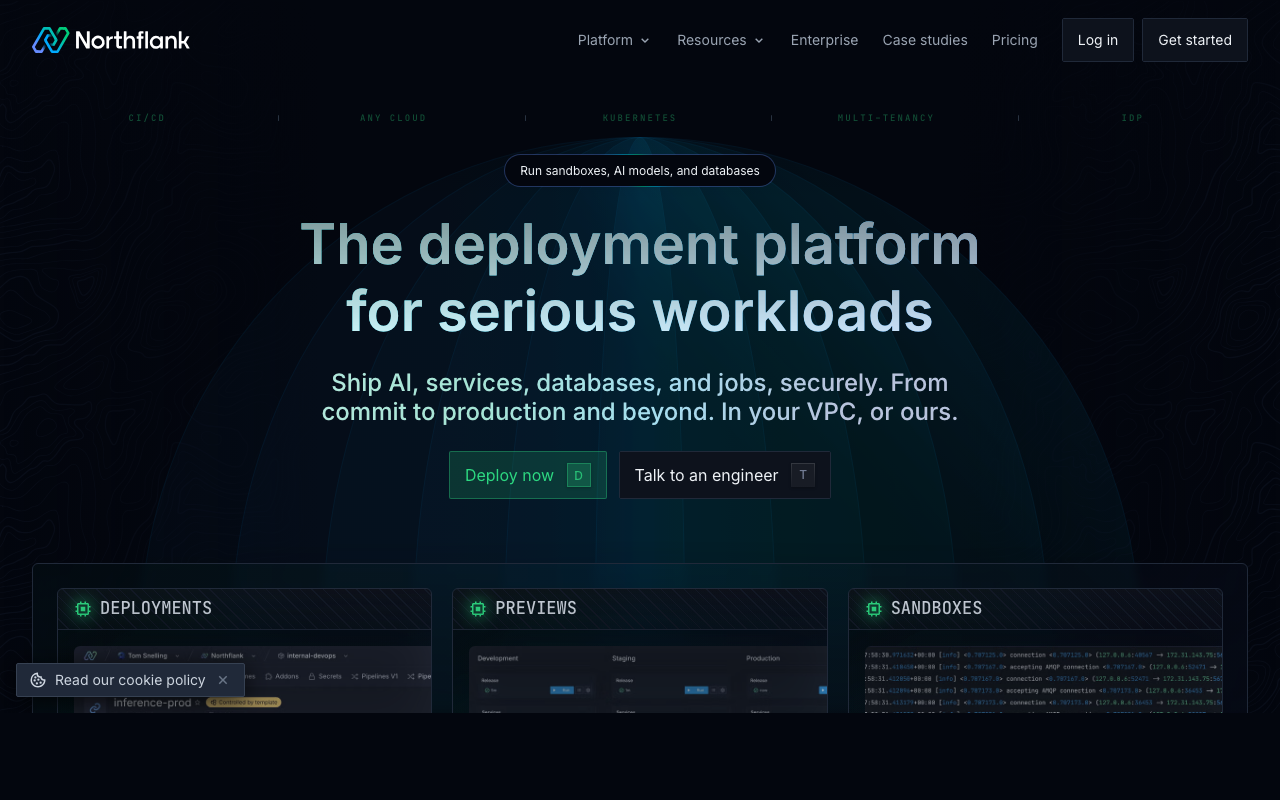
Best for: Teams that need Render's simplicity with enterprise-grade features. Northflank provides a visual interface for deploying and managing containers, with built-in CI/CD, databases, and observability.
Solves: Cold starts, lack of static IPs, and enterprise limitations.

Best for: Developers who want a trusted brand with predictable pricing. Starter plans from $5/month. Professional plans from $12/month.
Solves: Pricing unpredictability and support concerns.
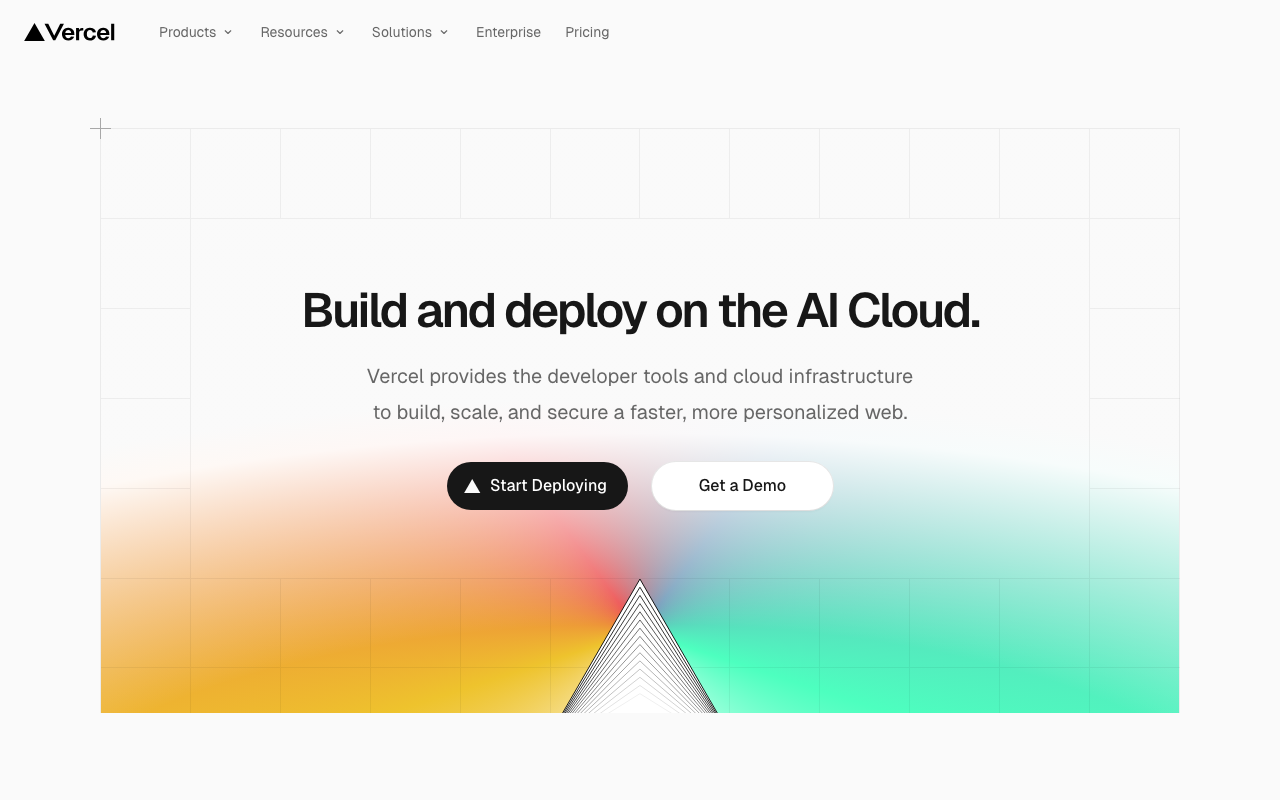
Best for: Frontend-heavy applications and Next.js projects. If your frustration with Render is primarily about frontend hosting, Vercel is purpose-built for your workflow.
Solves: Cold starts and performance for frontend applications.
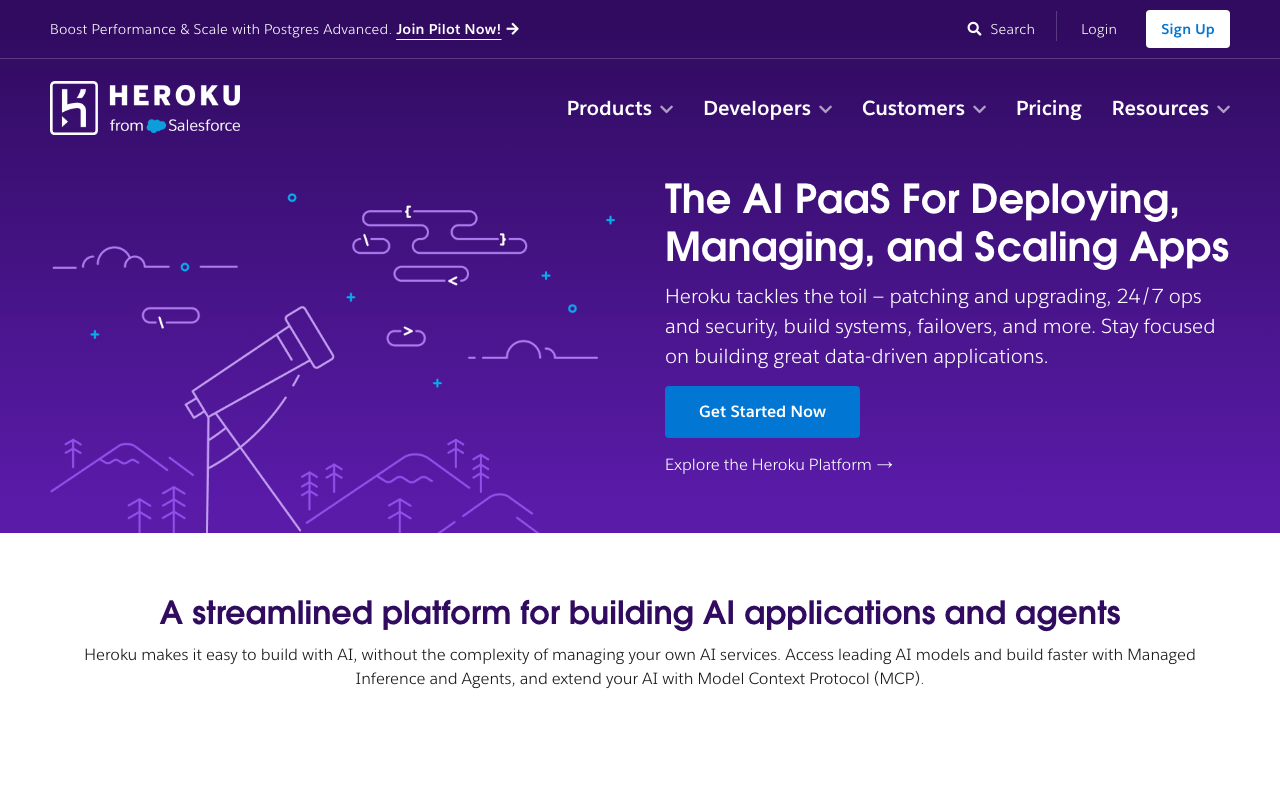
Best for: Developers who value stability and ecosystem maturity. After the free tier removal, many wrote Heroku off — but in 2026 it has stabilised with Fir generation architecture. Eco dynos from $5/month.
Solves: Response time performance and ecosystem maturity.
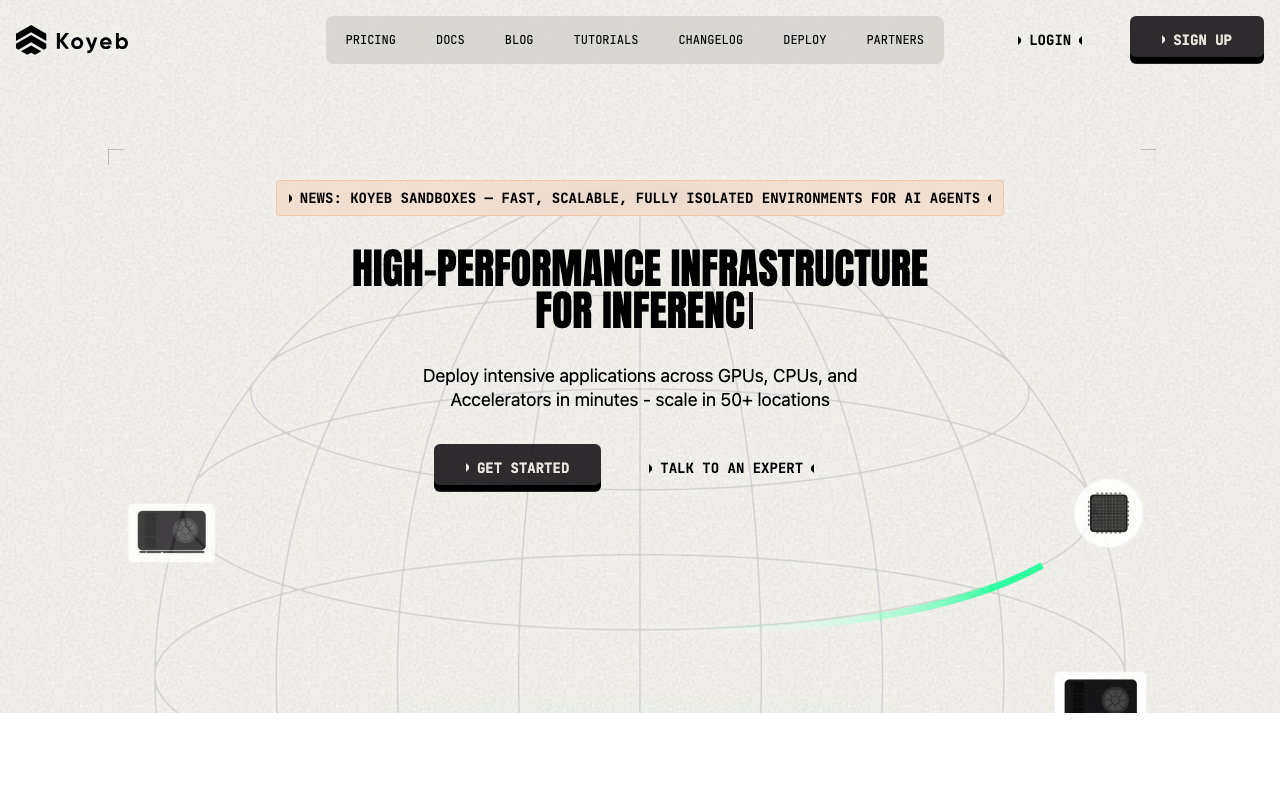
Best for: Developers who need global deployment with minimal configuration. Koyeb offers a serverless platform with global deployment and native GPU support for AI/ML workloads.
Solves: Limited regions, cold starts, and GPU compute needs.
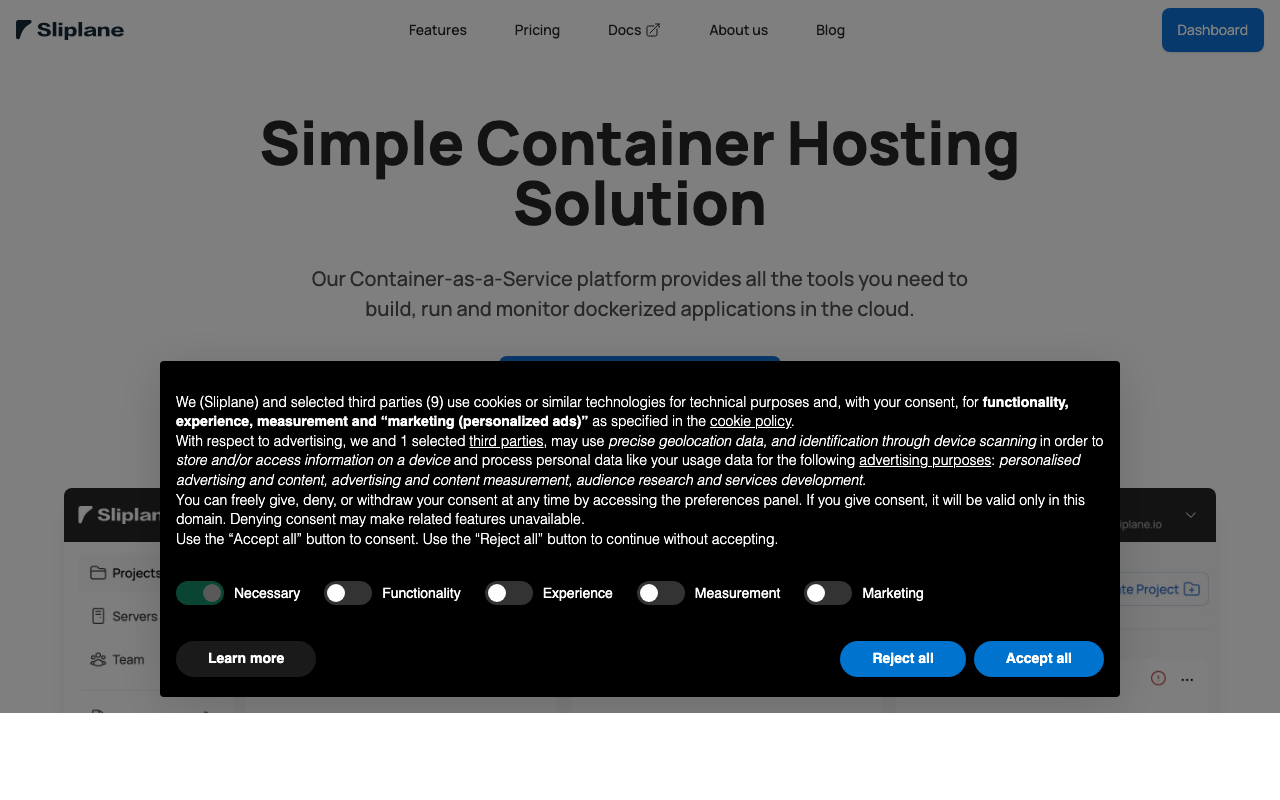
Best for: Small to medium apps that need affordable, no-nonsense hosting. Docker-native with plans starting from around $7/month.
Solves: Cold starts and pricing complexity for modest applications.
Choosing the right platform depends on which Render pain point is driving you away:
Render did something important for the PaaS ecosystem — it proved that deployment doesn't have to be complicated or expensive. But as your project grows from a side project to a production application, you may find that Render's limitations become genuine blockers.
The good news is that 2026 has more excellent PaaS options than ever before. Whether you prioritise performance, pricing transparency, global reach, or self-hosted control, there's a platform on this list that solves your specific frustration.
Don't just switch for the sake of switching, though. Identify your actual pain point, try the free tier of two or three alternatives, and make a decision based on your real-world experience. Your future self (and your users) will thank you.

